
Lupe Vélez
From Wikipedia, the free encyclopedia
Lupe Vélez (July 18, 1908 – December 13, 1944), was a Mexican and American stage and film actress, comedian, dancer and vedette.
Vélez began her career as a performer in Mexican vaudeville in the early 1920s. After moving to the United States, she made her first film appearance in a short film in 1927. By the end of the decade, in the last years of American silent films, she had progressed to leading roles in numerous movies like El Gaucho (1927), Lady of the Pavements (1928) and Wolf Song (1929), among others. She was one of the first successful Latin American actresses in the United States. During the 1930s, her well-known explosive screen persona was exploited in a series of successful films like Hot Pepper (1933), Strictly Dynamite (1934) and Hollywood Party (1934). In the 1940s, Vélez's popularity peaked after appearing in the Mexican Spitfire films, a series created to capitalize on Vélez's well-documented fiery personality.
Nicknamed The Mexican Spitfire by the media, Vélez's personal life was as colorful as her screen persona. She had several highly publicized romances and a stormy marriage. In December 1944, Vélez died of an intentional overdose of Seconal. Her death, and the circumstances surrounding it, have been the subject of speculation and controversy.
Description
above from the Wikipedia article Lupe Vélez licensed
under CC-BY-SA, full list of contributors on Wikipedia.
Lupe Vélez (July 18, 1908 – December 13, 1944), was a Mexican and American stage and film actress, comedian, dancer and vedette.
Vélez began her career as a performer in Mexican vaudeville in the early 1920s. After moving to the United States, she made her first film appearance in a short film in 1927. By the end of the decade, in the last years of American silent films, she had progressed to leading roles in numerous movies like El Gaucho (1927), Lady of the Pavements (1928) and Wolf Song (1929), among others. She was one of the first successful Latin American actresses in the United States. During the 1930s, her well-known explosive screen persona was exploited in a series of successful films like Hot Pepper (1933), Strictly Dynamite (1934) and Hollywood Party (1934). In the 1940s, Vélez's popularity peaked after appearing in the Mexican Spitfire films, a series created to capitalize on Vélez's well-documented fiery personality.
Nicknamed The Mexican Spitfire by the media, Vélez's personal life was as colorful as her screen persona. She had several highly publicized romances and a stormy marriage. In December 1944, Vélez died of an intentional overdose of Seconal. Her death, and the circumstances surrounding it, have been the subject of speculation and controversy.
Description
above from the Wikipedia article Lupe Vélez licensed
under CC-BY-SA, full list of contributors on Wikipedia.
Known For
55 titles

The Bronze Screen: 100 Years of the Latino Image in American Cinema

Hollywood Party

That's Entertainment! III

High Flyers
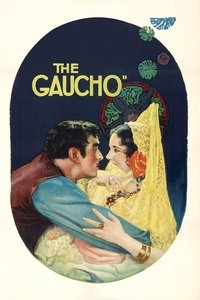
The Gaucho

Laughing Boy

Kongo
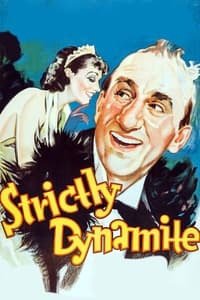
Strictly Dynamite

Where East Is East

Ladies' Day
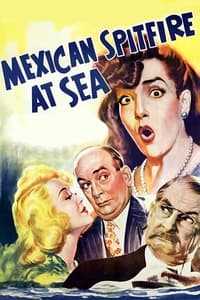
Mexican Spitfire at Sea
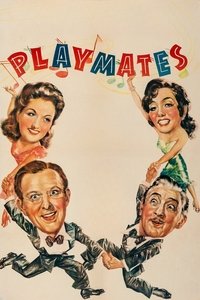
Playmates

Palooka
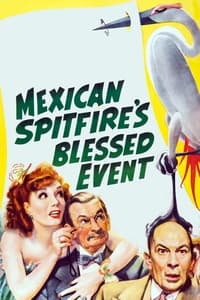
Mexican Spitfire's Blessed Event
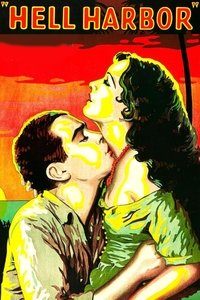
Hell Harbor

Hollywood Scandals and Tragedies

The Big Parade of Comedy

Mr. Broadway

Tiger Rose
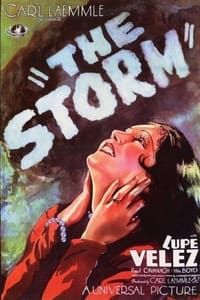
The Storm

The Cuban Love Song
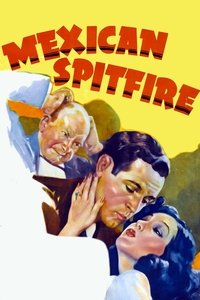
Mexican Spitfire
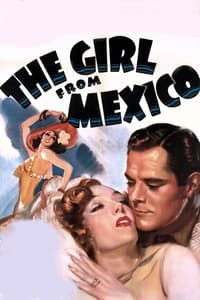
The Girl from Mexico

Hollywood on Parade No. B-1
Page 1 of 3 · 55 total credits
