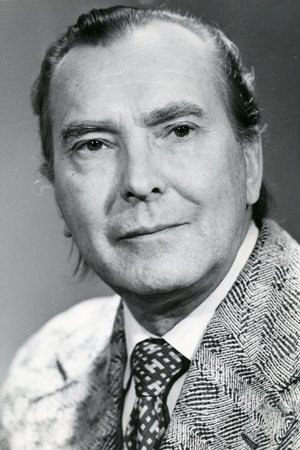
Heino Mandri
Heino Mandri (September 11, 1922 – December 3, 1990) was an Estonian film and stage actor.
Heino Mandri was born in Kohtla-Järve, but his family moved to Tallinn when Mandri was two years old. In 1946, Mandri graduated in the only class of the short-lived Tallinn Theatre School (1942–1946) set up during the German occupation to carry on the work of the former State School of Performing Arts which had been liquidated during the Soviet occupation in 1940.
In 1948, Mandri was accused in anti-Soviet activities and sentenced for seven years of forced labor. From 1948 to 1954 he served the sentence in the Viatlag prison camp, Lesnoy, Kirov Oblast in Northern Russia.
Mandri was released in 1954 and returned to Estonia, where the Soviet authorities forbade him to get closer than 101 km to Tallinn under the 101st kilometre rule. Mandri settled in Viljandi and worked in Ugala theatre. In 1956 Mandri wrote a personal letter to the Chairman of the Presidium of the Supreme Soviet Kliment Voroshilov, after which he got his sentence retroactively shortened to five years allowing him to enter Tallinn again.
During the 1970s and 1980s, Heino Mandri casually appeared on Estonian national TV delivering his lines with impeccable command of the Estonian language. In Soviet films, Heino Mandri was usually cast as characters who were officers of the Wehrmacht, German businessmen, or American spies.
Heino Mandri was acquitted of all political charges and fully rehabilitated in his rights only shortly before his death in 1990.
Heino Mandri was born in Kohtla-Järve, but his family moved to Tallinn when Mandri was two years old. In 1946, Mandri graduated in the only class of the short-lived Tallinn Theatre School (1942–1946) set up during the German occupation to carry on the work of the former State School of Performing Arts which had been liquidated during the Soviet occupation in 1940.
In 1948, Mandri was accused in anti-Soviet activities and sentenced for seven years of forced labor. From 1948 to 1954 he served the sentence in the Viatlag prison camp, Lesnoy, Kirov Oblast in Northern Russia.
Mandri was released in 1954 and returned to Estonia, where the Soviet authorities forbade him to get closer than 101 km to Tallinn under the 101st kilometre rule. Mandri settled in Viljandi and worked in Ugala theatre. In 1956 Mandri wrote a personal letter to the Chairman of the Presidium of the Supreme Soviet Kliment Voroshilov, after which he got his sentence retroactively shortened to five years allowing him to enter Tallinn again.
During the 1970s and 1980s, Heino Mandri casually appeared on Estonian national TV delivering his lines with impeccable command of the Estonian language. In Soviet films, Heino Mandri was usually cast as characters who were officers of the Wehrmacht, German businessmen, or American spies.
Heino Mandri was acquitted of all political charges and fully rehabilitated in his rights only shortly before his death in 1990.
Known For
50 titles
Arabella, the Pirate's Daughter
He Wasn't Alone
Countermeasure
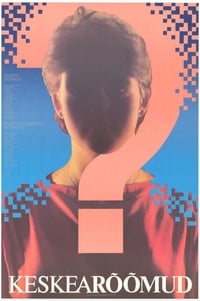
The Joys of Midlife
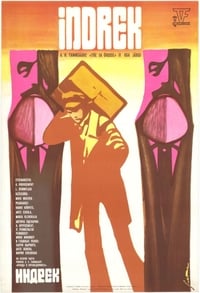
Indrek
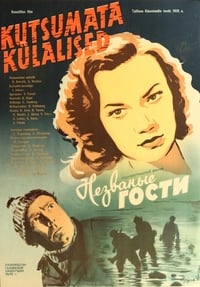
Uninvited Guests
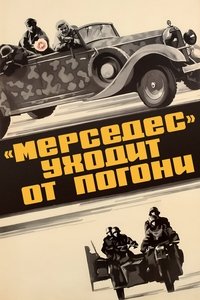
Mercedes Runs Away from the Chase

Bay of Happiness
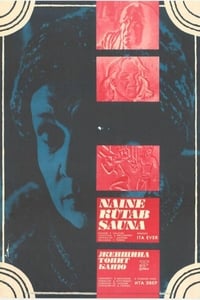
A Woman Heats the Sauna
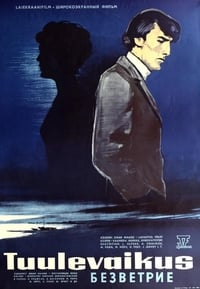
Lack of Wind
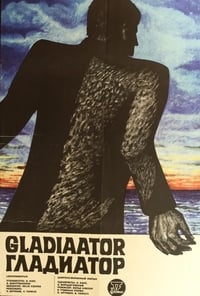
Gladiator

What Happened To Andres Lapeteus?
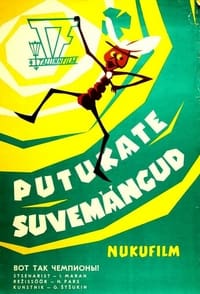
Summer Games of Insects
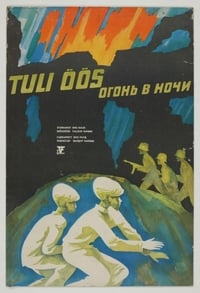
Fire in the Night
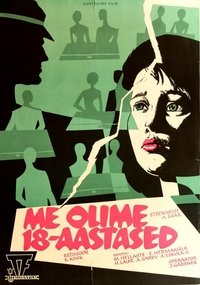
We Were Eighteen
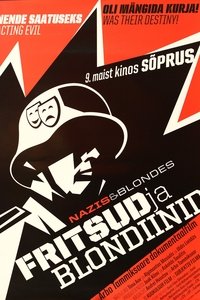
Nazis and Blondes
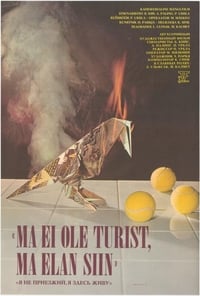
I'm Not a Tourist, I Live Here
Dance Around the Steam Boiler
Time to Live, Time to Love
In the Time of the Law of the Wolf
Hills Like White Elephants

Pöördel
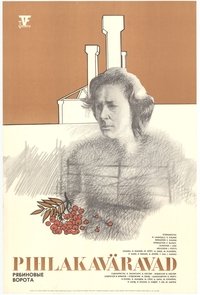
Rowan Gates
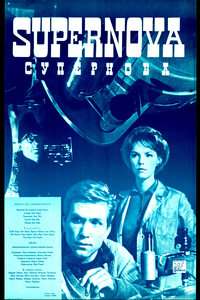
Supernova
Page 2 of 3 · 50 total credits
